We may earn a commission when you buy through links on our site. How this works →
Independent · Affiliate-funded · No brand pays for a ranking

We find the one detail that decides the purchase.

Every category has one detail the product page mentions last — a number, a format, a layout. It decides whether you are still happy in year three. We find it, then name one pick and one cheaper alternative. Sometimes the answer is to keep what you have.

7 guides 49 products & services compared 0 rankings paid for by a brand
See the latest picks →

Start with a decision, not a list

Each guide is built around the one thing that decides it. The three newest are below with their picks; the rest are one click away.

All guides →

Most “wine & beverage” fridges can’t get a can cold. Check one number before the bottle count.

Eight 24-inch dual-zone units compared on the beverage zone’s floor temperature and on front venting — the two specs that decide whether it works under your counter.

Wine + cans
EUHOMY 24″ Dual Zone, 21 bottles + 88 cansEUHOMY 21 bottles + 88 cans

35 °F can zone, front vents, and the cheapest of four look-alikes.

The catch: Noise not published; 34.3 in tall with the handle.

$650★ 4.3 · 132
Check price →
Wine only
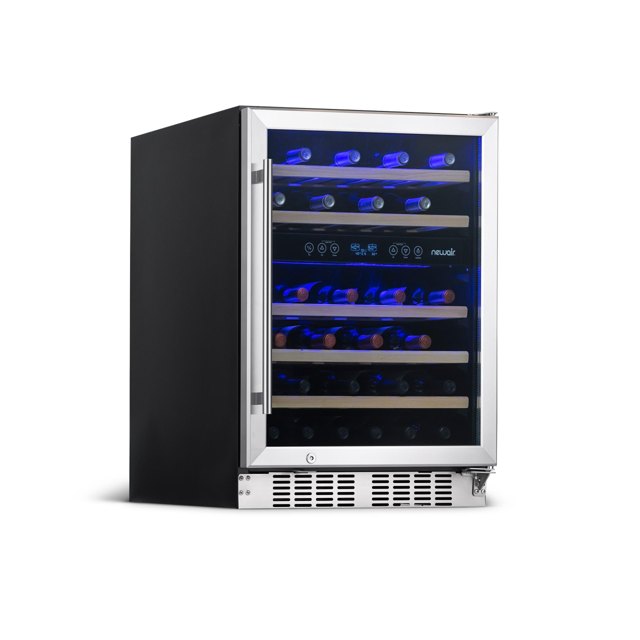
NewAir 24″ 46-Bottle Dual Zone (AWR-460DB)NewAir 46-bottle (AWR-460DB)

46 bottles behind a front vent and a recessed kick plate — the reference wine-only unit.

The catch: 40 °F floor: there is no can zone.

Big column
BODEGA 24″ Column, 77 bottles + 180 cansBODEGA 77 + 180 column

77 bottles and 180 cans, a 37 °F floor, wine to 72 °F.

The catch: 67 in tall — this is not an under-counter unit.

$1,300★ 4.7 · 32
Check price →
Read the full comparison →Prices & ratings: Amazon, checked 2026-09-06 · Updated September 2026
Overnight, a 1,000 Wh power station is a 600 Wh power station

EcoFlow, Jackery, Anker SOLIX, BLUETTI and Goal Zero in three sizes, ranked on the capacity Outdoor Life drew out of them and on start-up surge, not on the label.

≈300 Wh
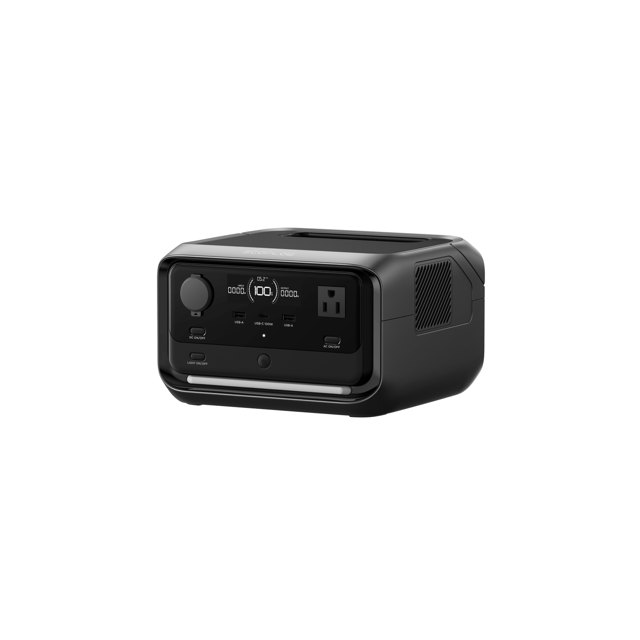
EcoFlow RIVER 3 PlusEcoFlow RIVER 3 Plus

600 W in a 10 lb box — it starts things the 300 W units refuse.

The catch: 286 Wh: one CPAP night uses most of it.

≈1 kWh
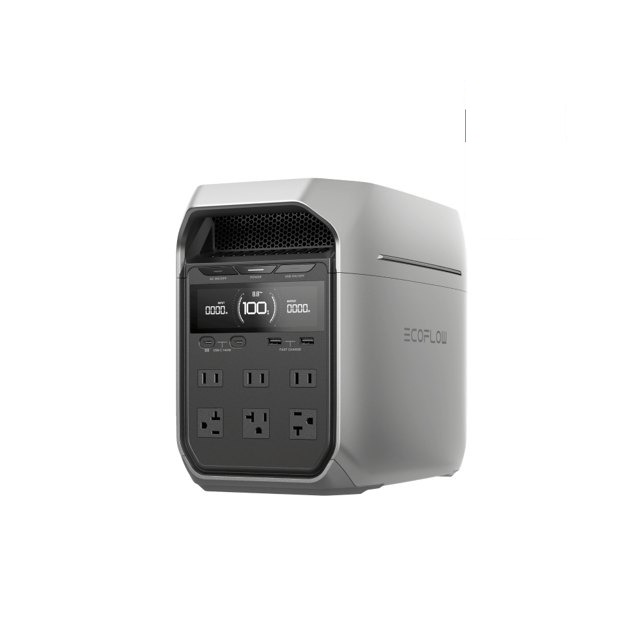
EcoFlow DELTA 3 PlusEcoFlow DELTA 3 Plus

A 10 ms UPS and an 1,800 W inverter — the all-rounder if the outage matters more than the weight.

The catch: 27.6 lb — 3 lb heavier than the Anker, for less output.

2 kWh and up
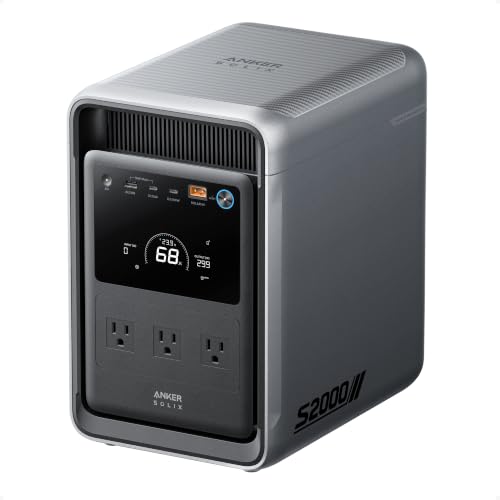
Anker SOLIX S2000Anker SOLIX S2000

2,010 Wh for $650 — the cheapest watt-hours of any portable unit here; only a fixed 48 V home battery beats it.

The catch: 1,500 W continuous: a big battery with a small inverter.

$650★ 4.6 · 150
Check price →
Read the full comparison →Prices & ratings: Amazon, checked 2026-09-06 · Updated September 2026
Home Appliances8 compared

Buy the robot mop for your carpet, not for the suction number

Roborock, Dreame, Narwal, ECOVACS, iRobot and eufy flagships compared on mop-lift height and threshold climb — the two millimetre figures that decide whether it works in your house.

Carpet in most rooms
Roborock Saros Z70Roborock Saros Z70

22 mm mop lift, the highest of the eight compared, and an arm that moves socks off the floor.

The catch: Lowest published suction figure in this comparison, and it is rarely sold near its $2,599 list price.

$1,700★ 4.0 · 1,090
Check price →
Mostly hard floors
Dreame Aqua10 Ultra RollerDreame Aqua10 Ultra Roller

A self-rinsing roller at 11 N, with a cover that closes on carpet.

The catch: 14 mm lift alone will not clear plush pile — the cover does the work.

$900★ 4.0 · 754
Check price →
Thresholds and rugs
Dreame X60 Max Ultra CompleteDreame X60 Max Ultra Complete

89% carpet deep-clean and an 88 mm threshold climb, both measured by Vacuum Wars.

The catch: Below-average navigation efficiency in Vacuum Wars’ testing.

$1,700★ 4.2 · 387
Check price →
Read the full comparison →Prices & ratings: Amazon, checked 2026-09-06 · Updated September 2026

Which one are you?

Seven situations we have already written the answer for.

None of these? Tell us what you’re deciding between.

How we decide

Rankings are settled before any affiliate link is added. A commission never changes a verdict.

Editorial policy · Affiliate disclosure
1

Find what decides it

Before looking at brands we work out which single spec or format separates a good outcome from a bad one for a real buyer.

2

Shortlist honestly

The obvious leaders and the cheap challengers. Brands cannot pay to be considered, and several of our picks earn us nothing.

3

Use evidence we can show

Published specifications, listings we checked on a stated date, and independent measurements from named third parties. We do not test products ourselves, and every guide says so.

4

Say when to skip

Sometimes the answer is “keep what you have” or “the cheap one is fine”. We publish that too; it’s why the rest is worth trusting.

About to buy something and can’t tell the contenders apart?

Email what it is and what you’re deciding between. If we take it on, we’ll tell you when the guide is up. We don’t sell sponsored posts, so please don’t pitch one.

[email protected]